Walls That Actually Look Straight
Interior Remodeling Services in Maurice, LA for rooms with damaged drywall and outdated finishes
Room renovations address visible problems like cracked drywall, worn flooring, and trim that's separated from walls, while also correcting underlying issues such as studs that aren't plumb and subfloors that have settled unevenly. Handy Man Home Improvements, LLC handles interior remodeling work in Maurice, installing drywall with joints that disappear under finish coats, fitting trim that meets walls without gaps, and laying flooring that doesn't show transitions between rooms. The work transforms spaces where previous repairs created more problems than they solved, leaving surfaces that look and function correctly.
Drywall installation and repair involves fastening sheets to framing at proper intervals to prevent sagging, taping joints with compound applied in progressive coats that feather out smoothly, and sanding without creating depressions. Door installation requires shimming the frame plumb and level before securing it, ensuring the door swings without binding and latches without force. Interior trim and molding installation involves coping inside corners rather than mitering them, which prevents gaps that open as wood shrinks during seasonal humidity changes.
Request a detailed estimate based on the specific repairs and upgrades your interior spaces require.
What You Notice Once Room Renovations Are Finished
Flooring installation begins with preparing the subfloor by removing high spots and filling low areas, because even small irregularities transmit through thin materials like laminate and vinyl plank. Material is acclimated to interior humidity levels before cutting, preventing expansion or contraction that creates gaps or buckling after installation. Baseboards are cut to follow floor contours and fastened to studs rather than drywall alone, providing stability that prevents trim from pulling away as the building settles.
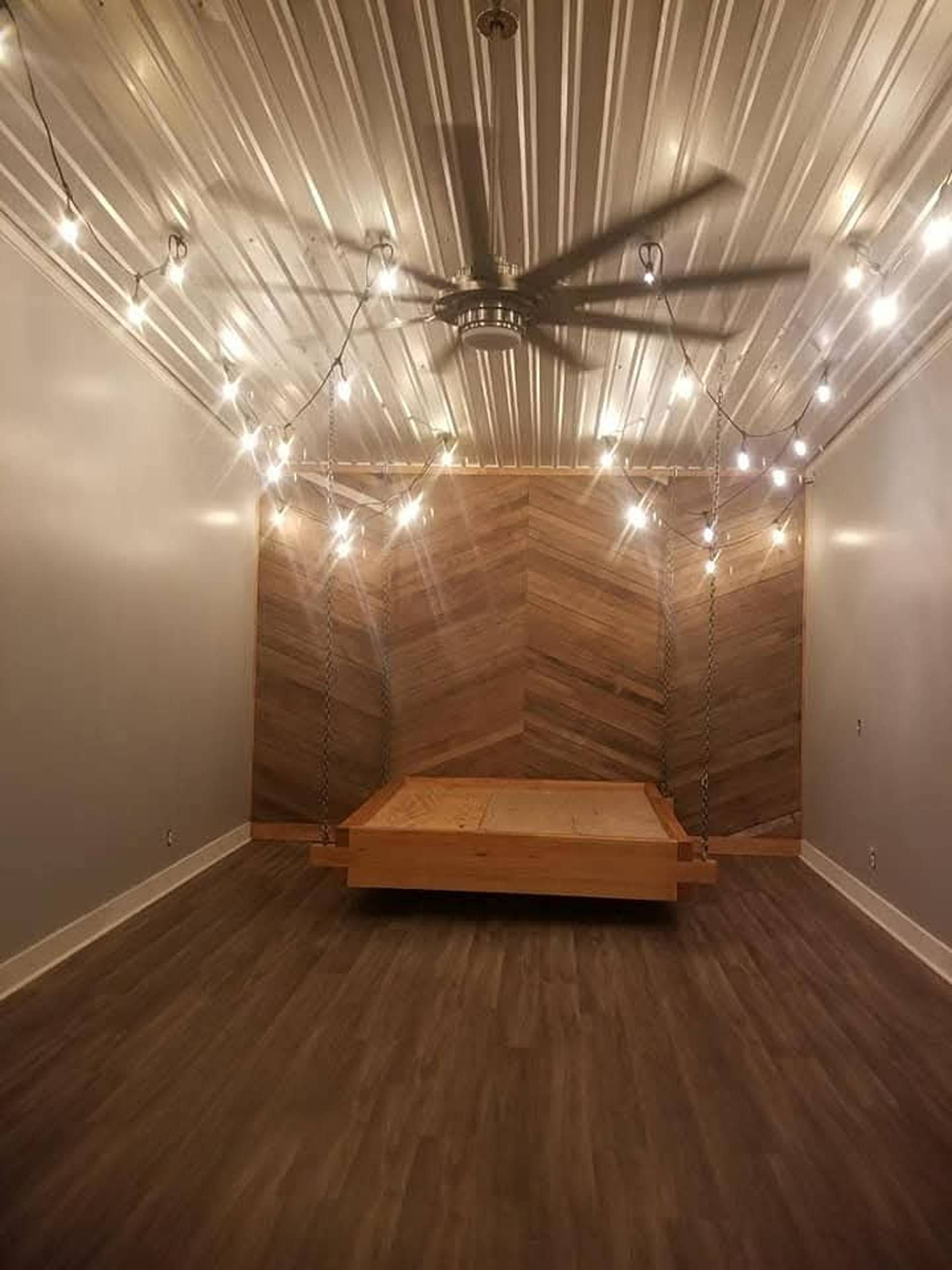
After renovations, you'll see drywall seams that vanish under paint, trim joints that meet tightly in corners, and flooring that lies flat without edges that catch your foot. Doors operate smoothly through their full swing without scraping floors or frames, and painted surfaces show consistent sheen without visible brush marks or thin spots. The difference appears in walls that look uniform under raking light and floors that don't announce every footstep with creaks and pops.
Painting and finishing follow all other installation work, with surfaces primed to seal porous materials and provide uniform absorption, then topcoated with paint applied in consistent layers. The sequence prevents contamination from sanding dust and ensures that trim and walls receive appropriate products, since high-contact areas like door frames require more durable finishes than ceilings.
Common Questions About This Service
Interior renovation questions often focus on why previous repairs failed and what methods prevent recurrence of the same problems.
What causes drywall cracks to reappear after repair?
Cracks return when the underlying movement isn't addressed, such as framing that flexes due to inadequate support or foundation settling that continues to stress the structure, requiring repair of the cause rather than repeated patching of symptoms.
How do you match new drywall texture to existing walls during partial room renovations?
Texture is replicated by observing the existing pattern and application method, then testing on scrap material until the result blends invisibly, which works better than attempting to flatten and re-texture entire walls when only sections need repair.
Why does trim develop gaps at joints within months of installation?
Gaps appear when wood isn't acclimated to interior moisture levels before cutting, causing shrinkage as it dries, or when pieces are face-nailed instead of secured to framing, allowing movement as wood expands and contracts with humidity changes.
What flooring materials work best in Maurice given the humidity levels?
Luxury vinyl plank and ceramic tile handle moisture exposure without swelling or cupping, unlike hardwood which requires careful climate control and acclimation, making synthetic and tile products more reliable for spaces without consistent air conditioning.
How do you prepare surfaces for painting that will actually stick long-term?
Preparation includes cleaning to remove contaminants, sanding to create tooth for adhesion, priming bare wood and patched areas to seal pores, and ensuring surfaces are dry, because paint applied over moisture or residue fails within months regardless of product quality.
Handy Man Home Improvements, LLC coordinates interior remodeling phases so that drywall, flooring, trim, and paint work integrate without redoing sections when subsequent trades create damage. Reach out to discuss renovations that address both visible cosmetic issues and underlying structural concerns.