
Floors That Don't Show Every Substrate Flaw
Flooring Installation & Custom Tile Work in Maurice, LA for uneven subfloors and outdated surfaces that show wear
Laminate flooring that develops gaps between planks or luxury vinyl that shows ridges where it crosses subfloor seams indicates improper substrate preparation, which undermines even premium materials within months of installation. Flooring work involves flattening the subfloor with leveling compound applied to fill depressions and grinding down high spots, because variations exceeding an eighth inch over ten feet transmit through thin materials and create failure points. Handy Man Home Improvements, LLC installs flooring in Maurice after preparing substrates correctly, whether that involves luxury vinyl plank, laminate, hardwood, or ceramic and porcelain tile, ensuring materials perform as intended rather than failing prematurely due to poor foundation prep.
Hardwood flooring requires acclimation to interior humidity for at least a week before installation, preventing expansion that causes buckling or contraction that opens gaps between boards. Ceramic and porcelain tile installation begins with determining the layout to minimize small cuts at visible edges, then spreading thin-set mortar with a notched trowel sized for the tile dimensions, creating full coverage that prevents hollow spots. Custom backsplashes involve cutting tile to fit around outlets and ending at cabinet edges, with trim pieces providing finished edges rather than exposed cut tile that looks unfinished.
Arrange an on-site consultation to evaluate your subfloor condition and discuss material options appropriate for your space.
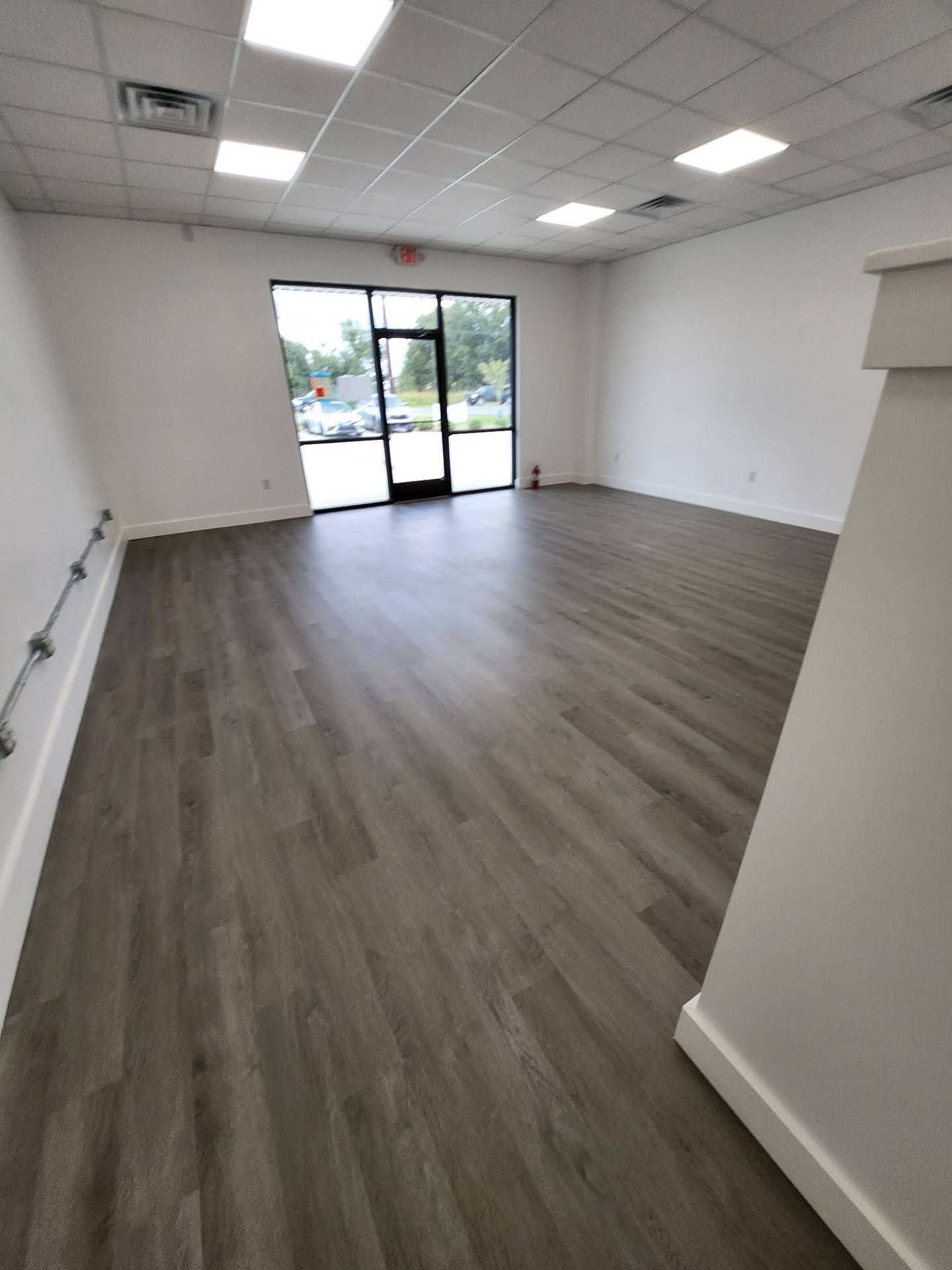
What Proper Substrate Preparation Involves
Shower and accent tile installations require waterproofing systems installed over backer board, creating continuous barriers at walls, floors, and transitions that prevent moisture from reaching framing. Tile is set with consistent grout joint width maintained by spacers, then grouted with mixtures that fill joints completely without voids where water collects. Sealers are applied after grout cures, penetrating porous surfaces to repel water and stains while allowing vapor transmission that prevents trapped moisture from delaminating the tile bond.
After installation, you'll notice flooring that lies flat without edges that telegraph subfloor seams, tile without lippage where adjacent pieces sit at different heights, and grout joints that maintain consistent color without dark spots indicating moisture retention. Walking across the floor produces minimal hollow sounds, indicating full adhesive contact, and transitions between rooms meet with trim that conceals edges cleanly. Luxury vinyl plank installations remain stable without expanding away from walls, and laminate floors don't develop the bounce that signals inadequate underlayment or unlevel substrates.
Custom backsplashes require measuring and cutting tile to fit the specific dimensions between countertops and cabinets, accounting for outlets and ending with edge trim rather than field tiles that expose raw edges. The work integrates with existing kitchen or bathroom components, ensuring tile thickness doesn't interfere with cabinet doors or create projections that collect grease and grime in kitchen applications.
What Property Owners Usually Ask
Flooring and tile questions often address material selection based on room function and how installation methods affect long-term performance.
What makes luxury vinyl plank more suitable than laminate for high-moisture areas?
Luxury vinyl is waterproof throughout its thickness, whereas laminate has a wood-based core that swells when exposed to moisture, making vinyl the better choice for bathrooms, kitchens, and laundry areas where water exposure occurs regularly.
How do you prevent tile lippage that creates tripping hazards and accelerates wear?
Lippage is controlled by using leveling systems during installation that hold adjacent tiles at the same plane while thin-set cures, and by ensuring the substrate is flat before setting tile, because lippage often results from following an uneven subfloor rather than from poor tile setting alone.
Why do hardwood floors develop gaps during winter even when properly installed?
Wood shrinks as indoor humidity drops during heating seasons, and while acclimation minimizes movement, some seasonal gapping is normal with solid hardwood, which is why engineered hardwood products with plywood cores exhibit less movement in climates with significant humidity swings like Maurice experiences.
What determines whether a subfloor needs replacement before installing new flooring?
Subfloors require replacement when water damage has caused delamination or rot, when sections feel spongy underfoot indicating compromised structural integrity, or when excessive deflection would transfer movement to rigid materials like tile, causing cracks and grout failure.
How does shower tile installation differ from backsplash work in terms of waterproofing?
Shower installations require full waterproof membranes across all surfaces that contact water, with membrane overlaps at corners and transitions sealed completely, whereas backsplashes typically receive only thin-set and grout as barriers since water exposure is limited to splashes rather than continuous direct spray.
Handy Man Home Improvements, LLC prepares substrates to manufacturer specifications before flooring and tile installation, preventing common failures that result from attempting to compensate for poor foundations with premium surface materials. Call to discuss material selection and substrate requirements for your specific flooring project.