
Perimeters Built for Ground Movement
Fence Installation & Repair in Maurice for properties with shifting soil and seasonal water tables
Soil in south Louisiana expands and contracts with moisture fluctuations, creating stress on fence posts that weren't set with adequate depth or concrete collaring. You'll see this as leaning sections, gaps under bottom rails, or gates that drag because the frame shifted out of square. Handy Man Home Improvements, LLC installs and repairs wood and vinyl fencing for residential and commercial properties in Maurice, with post-setting methods adjusted for soil type and drainage patterns observed on site.
Installation begins with evaluating grade changes and identifying low spots where water pools during heavy rain, which affects post longevity and panel alignment. Privacy fences require posts set deeper than decorative styles because wind load increases with panel surface area, and gate installation involves diagonal bracing or wheel kits depending on span and expected traffic. Vinyl fencing requires different fastening than wood to allow thermal expansion without cracking panels during summer heat.
Request a site evaluation to identify grade challenges and review fencing materials suited to your drainage conditions.
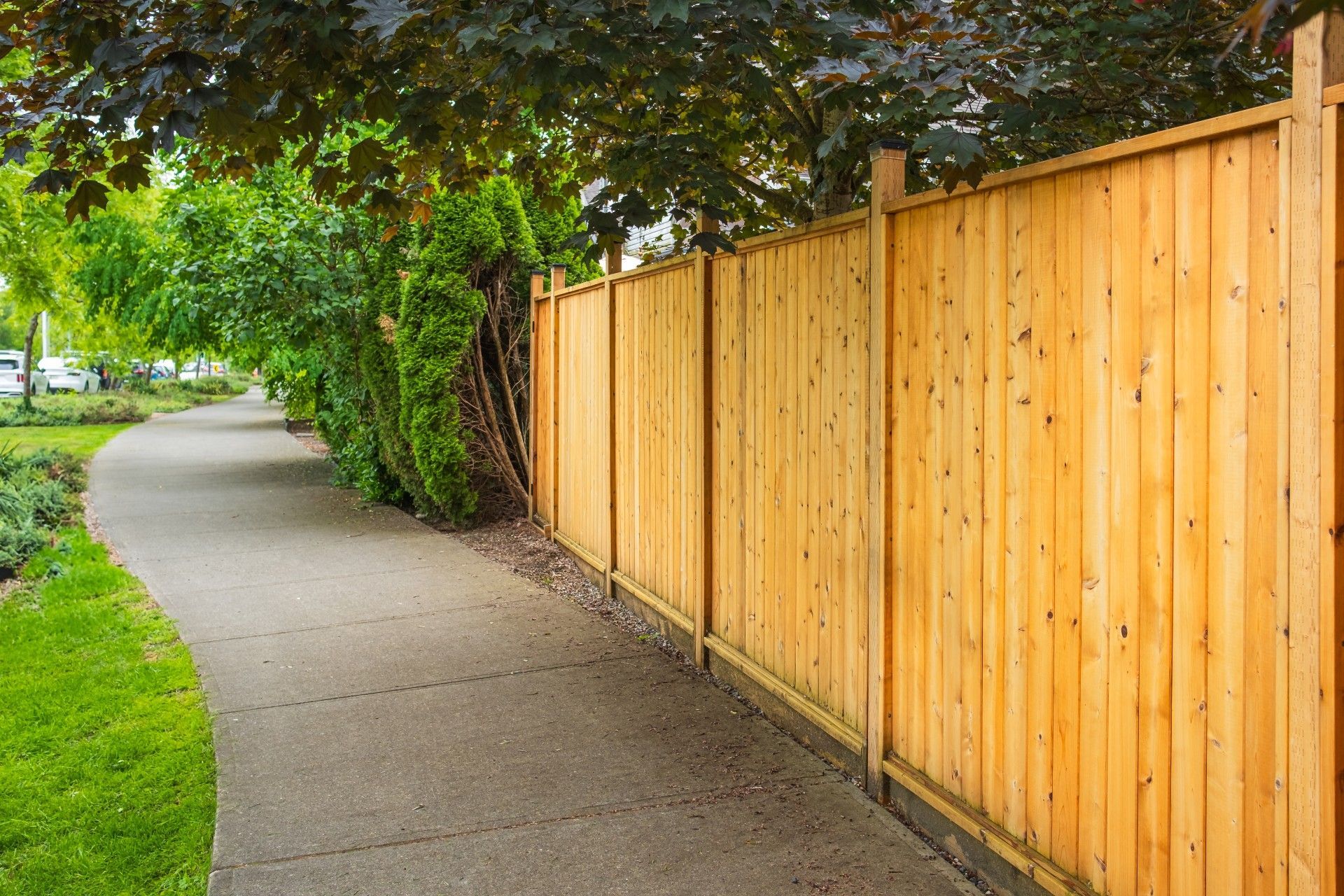
How Fencing Is Installed to Handle Settling
Post installation in clay-heavy or water-saturated soil requires setting depths that extend below the frost line equivalent for Louisiana, typically 24 to 36 inches depending on fence height and exposure. Concrete collaring prevents lateral movement but needs to cure fully before rails are attached, and post spacing is adjusted when terrain slopes to maintain consistent panel height without leaving gaps underneath. Wood fencing benefits from ground-contact-rated lumber for posts even when set in concrete, while vinyl systems use aluminum reinforcement inserts in posts to prevent flexing under wind pressure.
After installation, you'll notice panels that remain plumb through seasonal shifts, gates that swing without binding, and bottom rails that maintain clearance above grade even after settling. Fence repairs often involve replacing rotted posts or sections where water damage compromised structural integrity, and Handy Man Home Improvements, LLC matches existing styles so repairs blend with the original installation rather than standing out as patched sections.
Commercial fencing projects may require compliance with setback regulations or sight-line restrictions near roadways, and material selection often prioritizes longevity over initial cost when the fence secures equipment or defines property boundaries for liability purposes. Residential privacy fences sometimes need coordination with utility easements or drainage rights-of-way that limit where posts can be placed.
Questions About Fence Projects
Fencing decisions involve material performance, site conditions, and long-term maintenance considerations.
What causes fence posts to lean even when they were set in concrete?
Posts lean when concrete collars are too shallow to resist lateral soil pressure during expansion cycles, or when the concrete wasn't poured around the entire post circumference, leaving voids that allow movement once soil settles unevenly.
How do wood and vinyl fencing differ in performance under Maurice weather conditions?
Wood fencing absorbs moisture and requires sealing or staining to prevent rot and warping, while vinyl fencing resists moisture but can become brittle under prolonged UV exposure and may crack if impacted during cold snaps when the material is less flexible.
What factors determine whether a damaged fence section can be repaired or needs full replacement?
Repair is viable when posts remain structurally sound and damage is limited to panels or rails, but replacement becomes necessary when posts have rotted below grade or when multiple sections have shifted out of alignment due to settlement patterns.
When should gate hardware be upgraded during a repair project?
Hardware should be upgraded when existing hinges show wear grooves, when gate weight has increased due to added bracing, or when latches no longer align because the frame has racked out of square from settling or impact damage.
What site conditions affect fence installation difficulty and timeline?
Sloped terrain requires stepped panels or racked rails, rocky soil slows post-hole digging and may require augering or hydraulic equipment, and high water tables necessitate deeper setting or gravel drainage around posts to prevent premature rot.
Handy Man Home Improvements, LLC handles fence installation and repair projects with attention to soil behavior and structural requirements specific to your site. Call (337) 839-8180 to discuss fencing options and schedule an on-site review of grade and drainage factors.