Surfaces That Stand Up to Humidity
Interior & Exterior Painting in Maurice for homes exposed to moisture and seasonal weather shifts
Paint failures in south Louisiana happen when moisture penetrates improperly prepared surfaces, leading to peeling, bubbling, and mildew growth within months of application. Handy Man Home Improvements, LLC handles residential and commercial painting projects in Maurice with attention to substrate preparation that accounts for humidity levels and temperature fluctuations common to the region. Drywall preparation, cabinet refinishing, and trim work all require surface profiling that allows coatings to bond rather than trap moisture underneath.
The process begins with surface evaluation to identify existing moisture issues, failed coatings, or structural gaps that would compromise adhesion. Exterior home painting in this climate requires primer selection based on substrate porosity and exposure level, while interior work often involves repairing drywall seams or texture mismatches before any coating is applied. Cabinet painting demands deglossing and proper ventilation during cure time to prevent soft spots in the finish.
Schedule a property evaluation to review surface conditions and coating options suited to your exposure level.
What Proper Surface Preparation Actually Involves
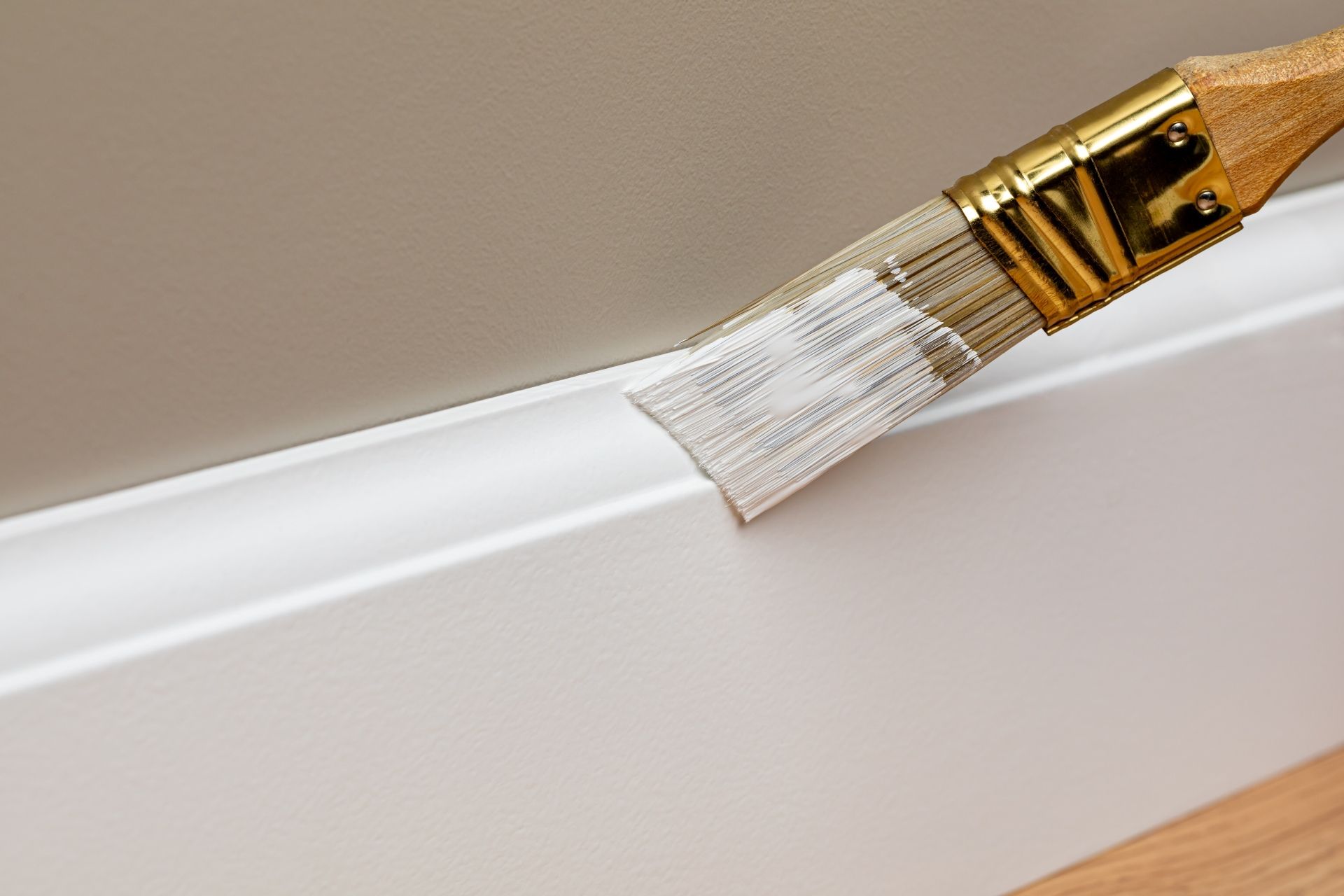
Surface preparation determines how long a paint job lasts, and in high-humidity areas, this means addressing not just cleanliness but also porosity and existing moisture content. Drywall preparation involves filling fastener dimples, floating seams until they're imperceptible under angled light, and sanding without creating fuzzing that shows through finish coats. Exterior surfaces are pressure-washed to remove biological growth and checked for wood rot or failing caulk joints that need repair before priming.
Once the work is complete, you'll notice uniform sheen with no lap marks, clean cut lines where wall colors meet trim, and cabinet doors that close without sticking to fresh paint. Exterior coatings cure to a surface that sheds water rather than absorbing it, and trim details appear sharp rather than softened by over-application. The difference shows up in how the coating performs through the first summer, when improperly applied paint begins to blister or separate from the substrate.
Commercial painting projects often require after-hours scheduling to avoid disrupting operations, and color matching for partial repaints involves mixing to existing faded tones rather than original specifications. Handy Man Home Improvements, LLC coordinates access timing and ventilation requirements based on building occupancy and HVAC system operation, particularly when working with low-VOC coatings that need longer cure times in conditioned spaces.
What Clients Ask About Painting Projects
Painting questions often focus on preparation steps and how finishes hold up under local conditions.
What determines whether existing paint needs to be stripped or can be painted over?
Adhesion testing and surface profile evaluation determine whether existing coatings are bonded well enough to serve as a base, or whether they're failing and need removal to prevent the new application from peeling along with the old layers.
How does humidity in Maurice affect drying time and finish quality?
High humidity extends the time coatings need to cure fully, and painting during moisture-heavy periods can cause surfactant leaching or slow cross-linking that leaves finishes soft or prone to marking until they harden completely.
What preparation is involved in cabinet painting compared to wall painting?
Cabinets require deglossing to create mechanical adhesion, removal of hardware and doors for controlled application, and multiple thin coats rather than single heavy coats to avoid sags and maintain smooth operation of hinges and catches.
When should exterior painting be scheduled to avoid weather-related failures?
Exterior work is best completed when temperatures will remain above 50 degrees for at least 48 hours after application and when no rain is forecast during the initial cure period, typically requiring attention to multi-day weather windows rather than single-day forecasts.
What does trim and detail painting include beyond cutting in along edges?
Trim work involves caulking gaps between moldings and walls, filling nail holes, sanding profiles without rounding edges, and applying coatings that build to a smooth finish without obscuring the wood grain or architectural detail underneath.
Handy Man Home Improvements, LLC completes painting projects with attention to substrate conditions and environmental factors specific to your property. Contact the team at (337) 839-8180 to arrange an assessment of surfaces and discuss coating systems matched to your exposure and use requirements.